
Exploring the Neuroprotective and Neurotrophic Effects of Lion's Mane Mushroom on Cognitive Health
This research paper explores the potential of lion's mane (Hericium erinaceus) mushroom on cognitive health and neuroprotection, which is gaining popularity in integrative medicine.

The rates of cognitive and neurological disorders, also known as diseases of the aging nervous system, are increasing. These diseases include Parkinson's disease, Alzheimer's disease (AD), dementia, and mild cognitive impairment (MCI). Worldwide, 55 million people have AD and other dementias, and an estimated 6.7 million Americans are living with AD, with two-thirds of them being women (Alzheimer's Association, 2023). Alzheimer's disease is a type of brain deterioration and the most prevalent kind of dementia. Dementia is not one particular illness; instead, it refers to a collection of symptoms, including the loss of memory, language, thinking abilities and problem-solving (Alzheimer's Association, 2023). From a Western biomedical perspective, no known cure for neurological diseases exists. Leading pharmaceutical companies' drug development efforts have been significantly hindered by numerous failed clinical trials and a lack of clear understanding of the underlying mechanisms of these diseases (Li et al., 2018b). As a result, dementia specialists are now shifting their focus from treatment to prevention in an attempt to slow down or halt the progression of these conditions.
The best time to stop dementia is before it starts. With the increase in geriatric populations, promoting healthy aging has been a focal point for novel therapeutic strategies. Li et al. (2018b) discuss the recent focus in neurological research on finding small neurotrophic compounds that can pass through the brain-blood barrier and assist in neuron maintenance, survival, and regeneration. Highly valued are natural sources that produce fewer side effects and can be easily incorporated into everyday diets for dementia prevention. In this regard, mushrooms like Hericium erinaceus, also known as lion's mane, are gaining popularity for their therapeutic benefits that promote nerve and brain health and are emerging as a strong contender (Li et al., 2018b).
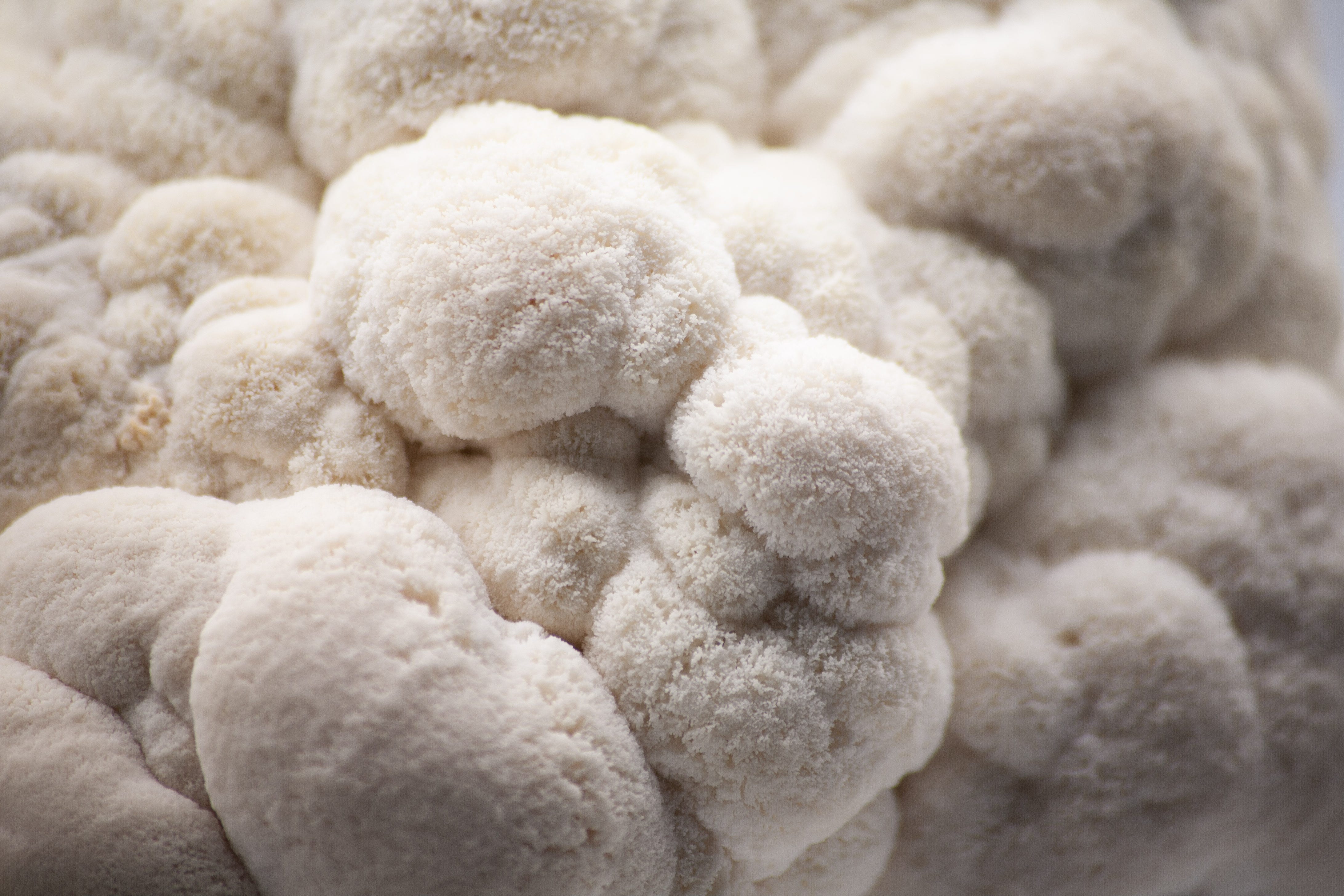
Medicinal mushrooms have been used in Traditional Chinese Medicine (TCM) as food and medicine for millennia (Thongbai et al., 2015). Only recently have they become compelling and highly valued by scientists beginning to understand their therapeutic properties, benefits and bioactive compounds (Li et al., 2018b). Hericium erinaceus, referred to as lion's mane, is an edible medicinal mushroom receiving recent attention for its potential neuroprotective and neurotrophic activity. The recent research explored in this paper reflects lion's mane's growing prominence and interest in dietary supplements, integrative medicine and patient care. This paper investigates the potential of lion's mane as a natural intervention for cognitive and neurological disorders, including AD, dementia, memory loss, depression and MCI. It aims to assess the mushroom's neuroprotective and neurotrophic compounds, including erinacines, hericenones and ergothioneine.
Neuroprotective and Neurotrophic properties
Lion's mane mushroom has neuroprotective properties, which means that it can protect neurons from damage or death caused by injury, toxins or diseases like Alzheimer's (Szućko-Kociuba et al., 2023). It achieves this by reducing inflammation, combating oxidative stress and promoting the growth and repair of nerve cells (Li et al., 2020). Additionally, lion's mane has neurotrophic action, which refers to its cognitive enhancement properties. This means that it can stimulate neurons' growth, differentiation and function and improve mental functions like memory, attention, and overall cognitive performance in healthy individuals or those experiencing cognitive decline (Szućko-Kociuba et al., 2023). The mushroom increases neurotrophic factors that support neuron health and cognitive function. Although neuroprotection can also support cognitive health, cognitive enhancement focuses on improving existing functions rather than protecting them from harm (Szućko-Kociuba et al., 2023). Compounds that mimic these neurotrophic factors or stimulate their production have great potential in treating and preventing neurodegenerative diseases (Szućko-Kociuba et al., 2023). Lion's mane is unique in its ability to be neuroprotective, protecting the nervous system and neurotrophic, improving cognitive function. This article will explore the compounds found in lion's mane that provide these benefits.
Compounds Isolated from Lion's Mane
Various compounds found in lion's mane induce the expression of neurotrophic factors. These factors, such as nerve growth factor (NGF), brain-derived neurotrophic factor (BDNF), and glial cell-derived neurotrophic factor (GDNF), are crucial in supporting the growth and development of neurons. They also play a vital role in protecting them from damage and degeneration. Some studies, including those conducted by Chiu et al. (2018), Li et al. (2018b), and Li et al. (2020), have demonstrated this effect. Recently, Yang et al. (2021) examined lion's mane and discovered 102 compounds, which include organic acids, nucleotides, amino acids, flavonoids, sugars, unsaturated fats, terpenoids, phenolic acids, phenylpropanoids, and steroids. Among these compounds, two substances found in the fruiting body and the mycelium of lion's mane are of utmost interest to researchers.
According to Szućko-Kociuba et al. (2023), the substances found in lion's mane are divided into two types based on their molecular weight. The first type includes larger molecules like polysaccharides and β-glucans, along with similar molecules and polypeptides known to boost the immune system. The second type includes smaller molecules like terpenoids and polyketides, specifically erinacines and hericenones. These erinacines and hericenones are antioxidative, anti-diabetic, anti-cancer, anti-inflammatory, and beneficial for lipid metabolism (Szućko-Kociuba et al., 2023). Notably, erinacines can pass through the brain-blood barrier and have been found to protect nerve cells and support nerve growth, as demonstrated in studies involving animal models for nerve damage, stroke, and Alzheimer's disease (Szućko-Kociuba et al., 2023). The main focus of this paper will be on erinacines and hericenones.
Erinacines and Hericenones
Erinacines are in the mycelium of lion's mane mushroom. They have garnered significant interest due to their ability to stimulate the production of NGF, which is essential for the growth, maintenance, and repair of neurons (Li et al., 2020). This makes them particularly valuable in the research of neurodegenerative diseases such as Alzheimer's and Parkinson's (Chiu et al., 2018; Li et al., 2020). Compared to hericenones found in the fruiting body of lion's mane, erinacines are especially intriguing to researchers due to their ability to cross the blood-brain barrier. This feature is crucial for any compound intended to affect the brain directly. This capability allows erinacines to exert their beneficial effects directly within the central nervous system (Li et al., 2020). Both erinacines and hericenones are researched for their neuroprotective and neurotrophic effects. However, erinacines have been studied more intensively in specific contexts due to their potent biological activities and promising therapeutic potential in treating neurological disorders. While there is an ongoing debate about the effectiveness of hericenones from the fruiting body in protecting live brain cells, erinacine A found in the mushroom's mycelium has been shown to protect against brain cell damage and reduce oxidative stress in mouse models of stroke, Alzheimer's disease, Parkinson's disease, depression, and aging (Chiu et al., 2018). Li et al.'s (2020) study represents the longest clinical trial to evaluate the impact of lion's mane mycelium capsules, each containing 5 mg/g of erinacine A, on patients with early-stage AD. This study further highlights the potential of erinacines as a therapeutic option for neurological disorders.
Lion's Mane Erinacine-A and Alzheimer's
In Li et al. (2020) double-blind placebo-controlled clinical trial, erinacine-A enriched Hericium erinaceus mycelium (EAHE) is investigated by giving patients three 350mg capsules of EAHE which contained 5mg/g erinacine A active ingredient, per day for the treatment of patients with mild AD. This rigorous study was randomized, one year long and evaluated using cognitive assessments, ophthalmic examinations, biomarker collections and neuroimaging performed at baseline, weeks 13, 25 and 49. Li et al. (2020) results indicate that after 49 weeks of taking EAHE by supplementation, the group receiving the extract showed notable improvement in their mental state and the ability to carry out daily activities, as well as better visual contrast sensitivity, compared to the placebo group. The placebo group experienced a decline in cognitive performance, a drop in several health markers, such as calcium and protein levels, and an increase in markers typically associated with brain degeneration. Brain scans showed that the placebo group had changes in the brain's white matter, suggesting deterioration, which was not observed in the EAHE group. Apart from four participants who left the study due to minor side effects like stomach discomfort and rash, there were no other reported adverse effects from taking the extract (Li et al., 2020). The results indicate that taking EAHE supplements is beneficial, safe, and improves cognition in people with mild AD. However, it is essential to note that there is a need for more public, well-known manufacturing and extraction methods for standardizing lion's mane products rich in erinacine A. Many products in the market contain both fruiting bodies and mycelium, and the research on lion's mane is still in its early stages. Therefore, more well-designed studies should investigate the therapeutic effects of erinacines and hericenones to understand their benefits entirely.
Lion's Mane Hericenones and Dementia
Saitsu et al. (2019) conducted a randomized, double-blind, placebo-controlled, parallel-group comparative study to evaluate the effects of lion's mane supplements containing hericenone-rich fruiting body extract (HE) on cognitive functions in healthy adults. Participants were randomly assigned to two groups. One group took four supplements of HE daily, while the control group took four identical-looking placebo supplements without HE. This was done over 12 weeks. Each HE supplement consisted of 0.8 grams of the powdered fruiting body of lion's mane. The cognitive function of 31 participants was evaluated using three tests: the Mini-Mental State Examination (MMSE), the Benton visual retention test, and the Standard verbal paired-associate learning test. The results revealed that the intake of HE improved cognitive function, as indicated by the MMSE results. It is worth noting that the MMSE oral examination is often used for dementia diagnosis (Saitsu et al., 2019). Therefore, HE supplementation may effectively improve cognitive function. The study conducted by Saitsu et al. (2019) had a small sample size, and further research is necessary to determine the effectiveness of HE on patients with severe dementia (Saitsu et al., 2019). However, HE not only prevented the decline of short-term memory but also improved cognitive functions in MMSE. This suggests that HE may aid in the transmission between neuron synapses (Saitsu et al., 2019). The study is significant as it shows the potential therapeutic benefits of lion's mane hericenones found in the fruiting body.
The extensive research and interest in erinacines, exclusive to lion's mane mycelium for their NGF stimulation, underscores a broader argument in herbal medicine. Appreciating the diverse compounds present in non-standardized, whole-plant preparations is vital, offering a holistic benefit that mirrors the intelligence of the entire organism. This approach contrasts sharply with the pharmaceutical industry, and the research focuses on isolating and standardizing single molecules. Such a perspective might overlook the synergistic effects of multiple compounds working together, which is a key principle in herbal medicine, suggesting that the whole-plant approach could yield more comprehensive health benefits.
Saitsu et al. (2019) postulate the presence of lipid-soluble agents within lion's mane mushrooms that can also stimulate NGF synthesis. The significant concentration of β-glucan within the fruiting body mushroom has been associated with cholesterol modulation and immunomodulatory effects, particularly in oncological contexts, by activating macrophages and dendritic cells (Saitsu et al., 2019). Given that macrophage cells are implicated in neurodegenerative processes, the authors hypothesize that the immunological enhancement attributed to β-glucan may also extend to cognitive function enhancement, suggesting a multifaceted role of the compounds in lion's mane in neural health and cognition (Saitsu et al., 2019). This is significant since lion's mane contains more than 100 compounds that may interact in unexplored ways. Ergothioneine is one of these lesser-explored compounds.
Lion's Mane Ergothioneine and Memory
Memory decline is a common symptom of neurodegenerative conditions and dementia, which are both closely linked to brain aging. This decline is driven by inflammation and oxidative stress, associated with a weakened immune system and chronic systemic inflammation—known as inflammaging (Roda et al., 2023). Lion's mane, rich in compounds such as the 'longevity vitamin' ergothioneine (ERGO), is being researched for its anti-inflammatory and neuroprotective properties that may help preserve memory and reduce signs of aging (Roda et al., 2023). Inflammatory molecules like IL-6 and TGF-β1, central to inflammaging, are targets for potential treatments to slow down or prevent age-related cognitive decline.
Roda et al. (2023) conducted an extensive study utilizing a multi-tiered methodology to investigate the potential neuroprotective properties of ERGO-rich lion's mane mycelium extract (He2) in aging mice. The study used a multi-tiered methodology that assessed inflammation, oxidative stress, and glutamine receptor-associated biomarkers. Additionally, the study monitored spontaneous behavioural tests to gauge recognition memory, which comprised both familiarity and recollection. The results of the study revealed that He2 has a targeted effect in protecting the aged hippocampus, improving recognition memory and positively influencing inflammation, oxidative stress, and the expression of glutamate receptors in the brain. This suggests that ERGO benefits could effectively preserve memory and slow cognitive decline. These findings, particularly the link between inflammation reduction and cognitive improvement, pave the way for examining lion's mane's potential in addressing depressive disorders, where inflammation is a known contributing factor.
Lion's Mane Erinacine-A and Depression
The development of neurodegenerative diseases is closely linked to inflammation in the nervous system, also known as neuroinflammation (Szućko-Kociuba et al., 2023). While Chiu et al. (2018) in-vivo research focuses on EAHE for depression, it is essential to note the link between depression and dementia, especially to stop cognitive disorders and dementia early. Depression can be a risk factor for the development of dementia and AD (Chiu et al., 2018). Both conditions may also share biological pathways, such as neuroinflammation and reduced neuroplasticity, which is the brain's ability to form synaptic connections (Chiu et al., 2018). Stress also leads to neuroinflammation. Antioxidants that counteract stress-induced oxidative damage are seen as potential treatments.
Chiu et al. (2018) conducted a study to evaluate the potential antidepressant effects of an ethanolic extract derived from lion's mane mushroom EAHE on mice that experienced repeated stress. The study findings indicated that mice treated with different doses of the extract demonstrated improvements in commonly used behavioural tests to assess depression-like symptoms, such as reduced activity and exploration. Additionally, the extract helped to restore normal levels of neurotransmitters such as norepinephrine, dopamine, and serotonin that were disrupted by the stress (Chiu et al., 2018). EAHE also reduced inflammation-inducing substances in the body and activated brain pathways associated with neurotrophic factors like BDNF. These results suggest that EAHE mycelium may have potential as a treatment for depressive disorders (Chiu et al., 2018). Consequently, erinacine A-enriched lion's mane mushroom is gaining interest as a potential neurotrophic agent that could effectively alleviate neurodegenerative conditions.
Lion's Mane and Mild Cognitive Impairment
Mild cognitive impairment is the transition stage between the average cognitive decline associated with aging and dementia (Feng, 2019). To prevent dementia onset during old age, adopting preventive interventions such as maintaining a healthy diet and lifestyle, staying active, and taking necessary supplements is crucial (Grande et al., 2020). Feng's (2019) cross-sectional study in Singapore is the first to examine whether mushroom consumption is associated with a reduction in MCI. The study analyzed the lifestyle of 633 older adults in Singapore from 2011 to 2017 and found that various mushrooms may help fight AD and delay neurodegeneration due to their neuroprotective and antioxidant properties. Results showed that mushroom consumption is associated with reduced odds of having MCI, and the reduction is significant for participants who consume more than two servings of mushrooms per week (Feng, 2019). The author postulates that some mushroom compounds, like hericenones and erinacines, can help produce nerve growth factors. These bioactive compounds may also protect the brain from neurodegeneration by blocking the production of harmful proteins like amyloid.
Mushrooms are a great source of ERGO, a potent antioxidant and protective agent that humans cannot produce independently but can absorb from their diet, primarily through mushrooms (Feng, 2019). Roda et al. (2023) mention that elderly individuals with mild MCI have lower levels of ERGO than their healthy peers. This suggests that low ERGO levels could be a risk factor for brain degeneration, and increasing ERGO through mushroom consumption could support cognitive health (Feng, 2019; Roda et al., 2023). Allopathic and naturopathic doctors can take an integrative approach to cognitive health by recommending that their patients consume edible mushrooms such as lion's mane twice weekly. Adding mushrooms to one's diet is a simple and affordable way to access the preventive benefits of lion's mane, which is safe, nutritious, and may be more financially feasible than purchasing lion's mane supplements.
Risk Assessment and Health Implications
The studies in this research paper confirm the therapeutic benefits of lion's mane. However, it is essential to consider the safety, risks and toxicology of lion's mane consumption. Safety and risk assessment of lion's mane is vital for consumer safety, effective dosage determination, drug interactions, regulatory compliance and informed decision-making for consumers and healthcare providers.
A review by Li et al. (2018b) found all seven experimental studies to suggest that lion's mane is safe and devoid of adverse effects. In a genotoxicity study by Li et al. (2018a), pregnant rats given a high dose of EAHE mycelia caused no deaths or signs of toxicity in ten rats over 14 days. Further testing on 66 pregnant rats with varying doses showed no significant differences in vital reproductive metrics or the development of the fetuses when compared to a control group. The study concluded that EAHE mycelia is safe and not toxic for consumption within the tested dosages and time frame, indicating that EAHE mycelia are not toxic and do not negatively affect animal growth (Li et al., 2018a). Additionally, EAHE products have not caused any adverse events in the Taiwanese market since their launch in 2015 (Li et al., 2020). While lion's mane mushrooms have been shown to offer therapeutic benefits, rigorous studies and market data collectively reinforce the conclusion that lion's mane is a safe, non-toxic option with no adverse effects observed in animal models or human markets. There is no agreed-upon standard for the proper dosage or duration of use, although ranges have been suggested. However, it is essential to note that human dosages differ and should be calculated based on human-equivalent doses from animal studies, considering factors like body surface area and metabolism differences. The usage periods depend on the targeted health outcomes and the individual's response to the supplement.
Discussion
As the owner and creator of Rainbo, a top mushroom brand in North America, I am interested in researching the medicinal mushroom lion's mane and its positive effects on cognitive health. My interest in this topic has motivated me to choose it as the subject of this research paper. However, this interest is shared among many, including medical doctors, naturopathic doctors, researchers, scientists, pharmaceutical companies, herbalists, TCM practitioners, mushroom farmers, and the general public. At Rainbo, lion's mane quickly became our top-selling product and has been challenging to keep in stock this year. Consumer interest in this mushroom has increased considerably.
Lion's mane mushroom has garnered much attention for its potential cognitive health benefits, and it represents a prime example of how integrative medicine combines conventional and alternative treatments for a more holistic approach to healthcare. Integrative medicine combines modern medical practices, natural products, and traditional healing techniques intending to treat the whole person. Lion's mane mushroom has caught the attention of many healthcare professionals and the scientific community. This convergence is a positive sign that traditional remedies are being recognized and validated within contemporary science, highlighting the collaborative spirit at the heart of integrative medicine.
The challenges in standardizing lion's mane supplements, notably in erinacine A levels, highlight the need for a more comprehensive approach to its production and research. While erinacines and hericenones are studied for their singular effects, the broader array of compounds in the whole plant presents a holistic benefit that standardized, single-molecule focus might overlook. Thorough research into both the mycelium and fruiting body and their combined therapeutic contributions is crucial. This would lead to more effective consumer products and embrace the full spectrum of lion's mane's cognitive health and neuroprotection benefits, aligning with the principles of whole-plant herbal medicine.
Conclusion
The exploration of lion's mane mushroom as a neuroprotector and cognitive enhancer is timely and vital, given our aging global demographic and the rising prevalence of neurodegenerative diseases. This natural remedy, long esteemed in traditional medicine, has been substantiated by recent modern research to support brain health and potentially prevent cognitive decline, underscoring its significance. While some may view alternative therapies skeptically, the converging evidence from various medical traditions and scientific research invites a broader acceptance and integration of such natural interventions into mainstream healthcare. To build on the current understanding, further research is necessary, particularly in more long-term clinical trials, to ascertain the efficacy, optimal dosages, compounds, and mechanisms by which lion's mane may benefit cognitive function. There is also a call to action for healthcare systems to embrace a more integrative approach, recognizing the potential of natural substances like lion's mane in preventing and managing cognitive decline, thus enhancing the quality of life for individuals worldwide.
References
Alzheimer’s Association. (2023). Alzheimer’s Disease Facts and Figures. https://www.alz.org/alzheimers-dementia/facts-figures
Chiu, C.-H., Chyau, C.-C., Chen, C.-C., Lee, L.-Y., Chen, W.-P., Liu, J.-L., Lin, W.-H., & Mong, M.-C. (2018). Erinacine A-enriched Hericium erinaceus mycelium produces antidepressant-like effects through modulating BDNF/PI3K/Akt/GSK-3β signalling in mice. International Journal of Molecular Sciences, 19(2), 341–. https://doi.org/10.3390/ijms19020341
Feng. (2019). The association between mushroom consumption and mild cognitive impairment: A community-based cross-sectional study in Singapore. Journal of Alzheimer’s Disease., 68(1), 197–203. https://doi.org/10.3233/JAD-180959
Grande, G., Qiu, C., & Fratiglioni, L. (2020). Prevention of dementia in an ageing world: Evidence and biological rationale. Ageing Research Reviews, 64, 101045–101045. https://doi.org/10.1016/j.arr.2020.101045
Li, I.-C., Chang, H.-H., Lin, C.-H., Chen, W.-P., Lu, T.-H., Lee, L.-Y., Chen, Y.-W., Chen, Y.-P., Chen, C.-C., & Lin, D. P.-C. (2020). Prevention of early Alzheimer’s disease by erinacine A-enriched Hericium erinaceus mycelia pilot double-blind placebo-controlled study. Frontiers in Aging Neuroscience, 12, 155–155. https://doi.org/10.3389/fnagi.2020.00155
Li, I.-C., Chen, W.-P., Chen, Y.-P., Lee, L.-Y., Tsai, Y.-T., & Chen, C.-C. (2018a). Acute and developmental toxicity assessment of erincine A-enriched Hericium erinaceus mycelia in Sprague-Dawley rats. Drug and Chemical Toxicology (New York, N.Y. 1978), 41(4), 459–464. https://doi.org/10.1080/01480545.2017.1381110
Li, I.-C., Lee, L.-Y., Tzeng, T.-T., Chen, W.-P., Chen, Y.-P., Shiao, Y.-J., & Chen, C.-C. (2018b). Neurohealth properties of Hericium erinaceus mycelia enriched with erinacines. Behavioural Neurology, 2018, 5802634–10. https://doi.org/10.1155/2018/5802634
Roda, E., De Luca, F., Ratto, D., Priori, E. C., Savino, E., Bottone, M. G., & Rossi, P. (2023). Cognitive healthy aging in mice: Boosting memory by an ergothioneine-rich Hericium erinaceus primordium extract. Biology (Basel, Switzerland), 12(2), 196–. https://doi.org/10.3390/biology12020196
Saitsu, Y., Nishide, A., Kikushima, K., Shimizu, K., & Ohnuki, K. (2019). Improvement of cognitive functions by oral intake of Hericium erinaceus. Biomedical Research, 40(4), 125–131. https://doi.org/10.2220/biomedres.40.125
Szućko-Kociuba, I., Trzeciak-Ryczek, A., Kupnicka, P., & Chlubek, D. (2023). Neurotrophic and neuroprotective effects of Hericium erinaceus. International Journal of Molecular Sciences, 24(21), 15960-. https://doi.org/10.3390/ijms242115960
Thongbai, B., Rapior, S., Hyde, K. D., Wittstein, K., & Stadler, M. (2015). Hericium erinaceus, an amazing medicinal mushroom. Mycological Progress, 14(10), 1–23. https://doi.org/10.1007/s11557-015-1105-4
Yang, F., Wang, H., Feng, G., Zhang, S., Wang, J., & Cui, L. (2021). Rapid identification of chemical constituents in Hericium erinaceus based on LC-MS/MS metabolomics. Journal of Food Quality, 2021, 1–10. https://doi.org/10.1155/2021/5560626